Events / Published October 23, 2026
Help was needed years earlier: Almaty specialists trace why families miss support in time
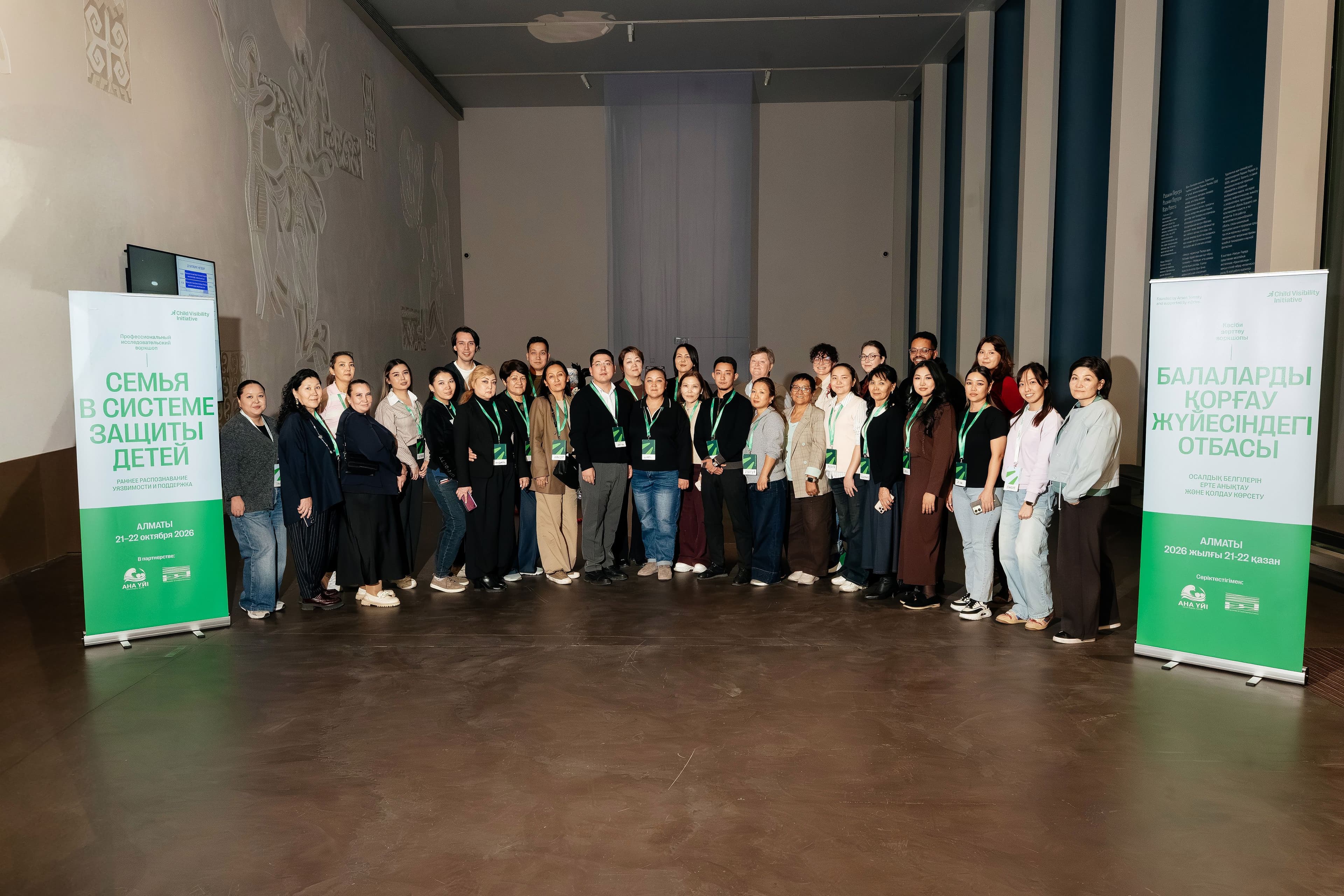
At our workshop in Almaty, practitioners found that the chance to help families often came years before a child was separated from their parents.
A family can be known to several services and still go unseen by the system as a whole. That was the main conclusion of the research workshop the Child Visibility Initiative held in Almaty on 21–22 October, ahead of Social Worker’s Day. Several dozen specialists from social protection, the Almaty Family Support Centre, guardianship, healthcare, education and non-profits traced real family stories step by step and found that opportunities to help often existed years before separation became visible as a crisis.
Our strategic and research partner in Kazakhstan is the Ana Uyi (Mother’s Home) public foundation. The workshop took place at the Tselinny Center of Contemporary Culture, which hosted the two-day meeting.
Elena Tropinova, PhD, our Head of Education, developed the research design for the workshop. It combined practitioners’ experience with a structured analysis of how families move through support services, the systemic barriers they meet and the points where early signs of risk go unrecognised.
Participants compared real cases from past years with situations families face today, from a mother giving up her newborn to a teenager being removed from the family. The comparison showed that the support system is developing: new mechanisms now allow different services to work together around a family.
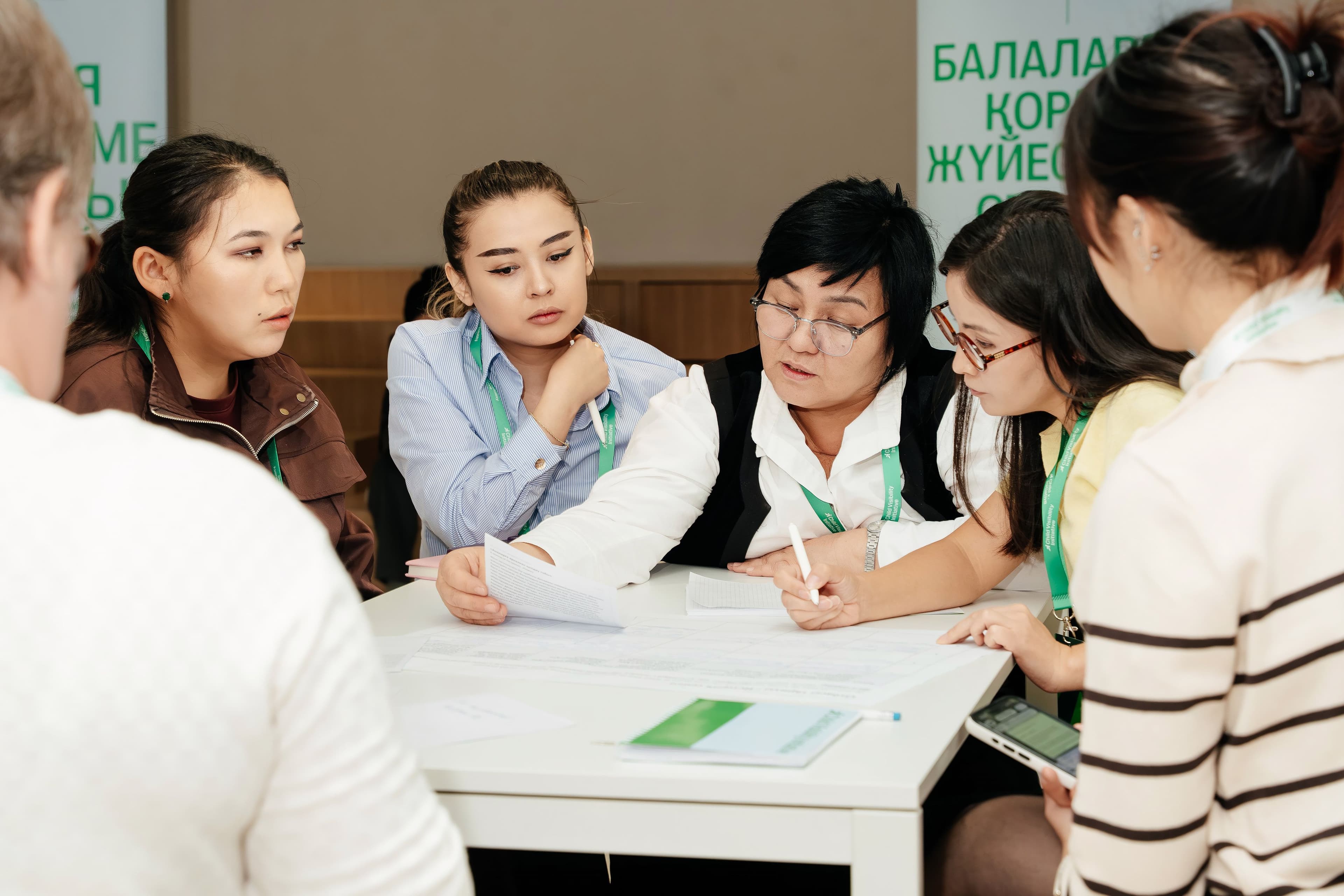
Recognising risk early, however, remains difficult. In some cases, signs of difficulty appeared during pregnancy. In others, children stopped attending school and dropped out of sight of the services.
“Today we have more tools to work with a family as a whole, rather than only reacting once a crisis has already happened. But timing matters: the sooner we learn about difficulties, the more chances we have to bring different services together and keep the situation from becoming critical. We need to be able not only to act in a difficult situation, but to prevent it,” — Akmolzhan Zaripov, Director of the Almaty Family Support Centre.
Participants also examined four functions of the system (care, registration, oversight and information) at different stages of a child’s life. They looked closely at situations in which a family is already known to services: registered, seen at a polyclinic, with a child attending school or kindergarten, and yet not receiving the help it needs. Contact with services, they noted, is not the same as support.
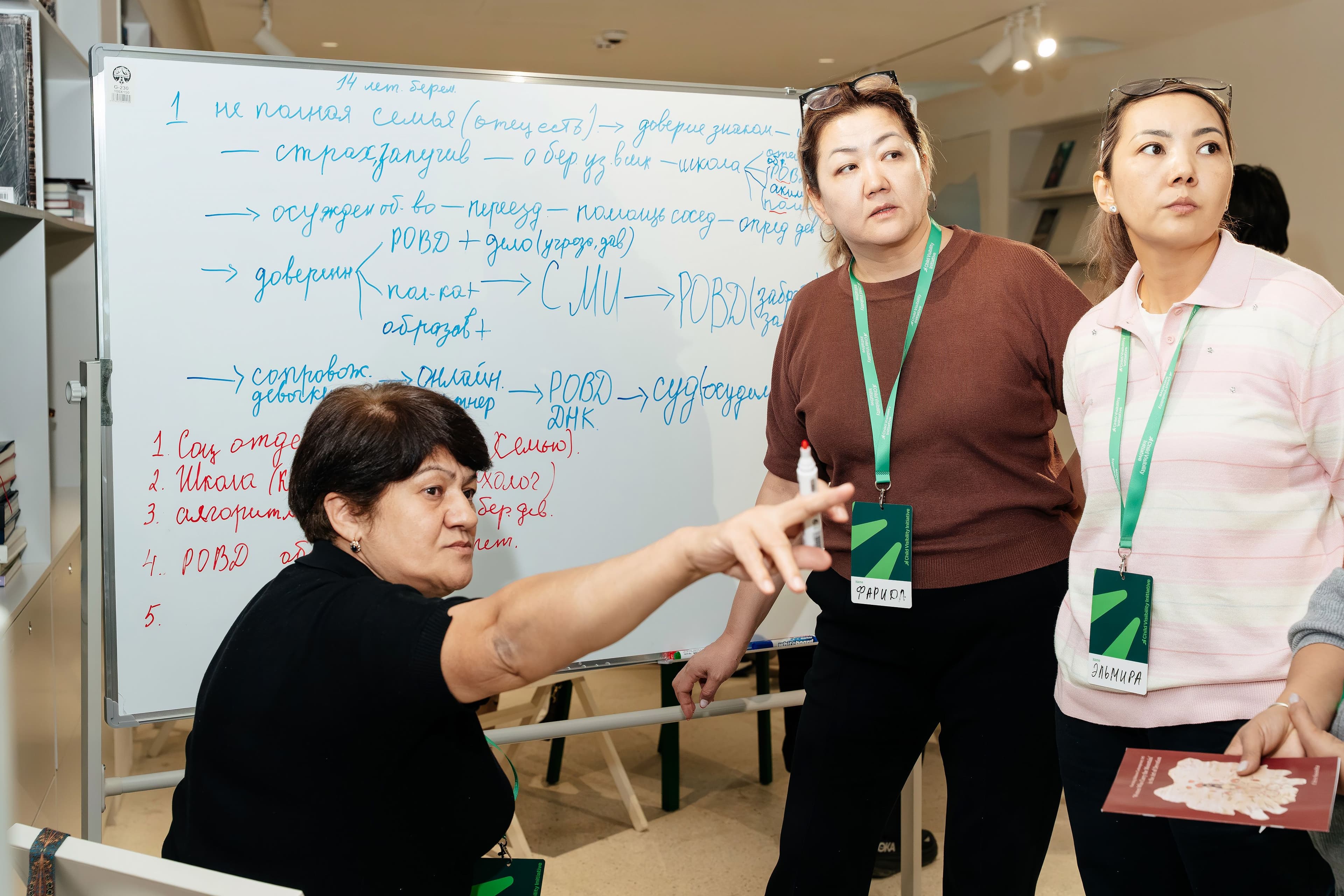
“Giving up a child is almost never about one reason. Behind it there is a whole tangle of circumstances: no close people nearby to offer support, not enough money, fear, not knowing where to turn. Very often, one timely conversation and practical help change everything. That is why it is so important for specialists from different organisations to notice a family’s difficulties and act together, before the situation becomes critical,” — Aminat Dzhappueva, Coordinator of Mother’s Home in Almaty.
The workshop’s findings will feed into our research in Kazakhstan, along with interviews with specialists. In the first half of 2027, we plan to present a country report on the system’s strengths, the barriers to recognising risk early, and ways to improve cooperation between agencies.
The workshop’s findings will feed into our research in Kazakhstan, along with interviews with specialists. In the first half of 2027, we plan to present a country report on the system’s strengths, the barriers to recognising risk early, and ways to improve cooperation between agencies.
We welcome collaboration with researchers, practitioners and organisations working to strengthen family support and prevent unnecessary family separation.
Interested in contributing? Get in touch with us.
Special thanks to:
The workshop was facilitated by two supervisors, who guided group discussions, helped participants map systemic challenges and identified opportunities to strengthen interagency coordination and family support practices:
Kuralay Zharkymbayeva, independent applied researcher and designer of long-term social programmes with more than 10 years of experience in Kazakhstan, Central and West Asia, and Eastern Europe. Her expertise focuses on frontline discretion, administrative burden and social service delivery, as well as system change in the social and education sectors. She has led research and development at a national education organisation, advised NGOs on community engagement and co-design, and designs participatory research and facilitates workshops, including in humanitarian contexts.
Aigerim Zhakypbek, PhD, Assistant Professor at Narxoz University, sociologist and researcher specialising in social work and social policy. Her expertise focuses on social exclusion among vulnerable populations, social programme evaluation and the development of social support systems. She has extensive experience in qualitative and quantitative research, focus group facilitation and field research supervision.