Events / Published October 23, 2026
Help was needed years earlier: Almaty specialists trace why families miss support in time
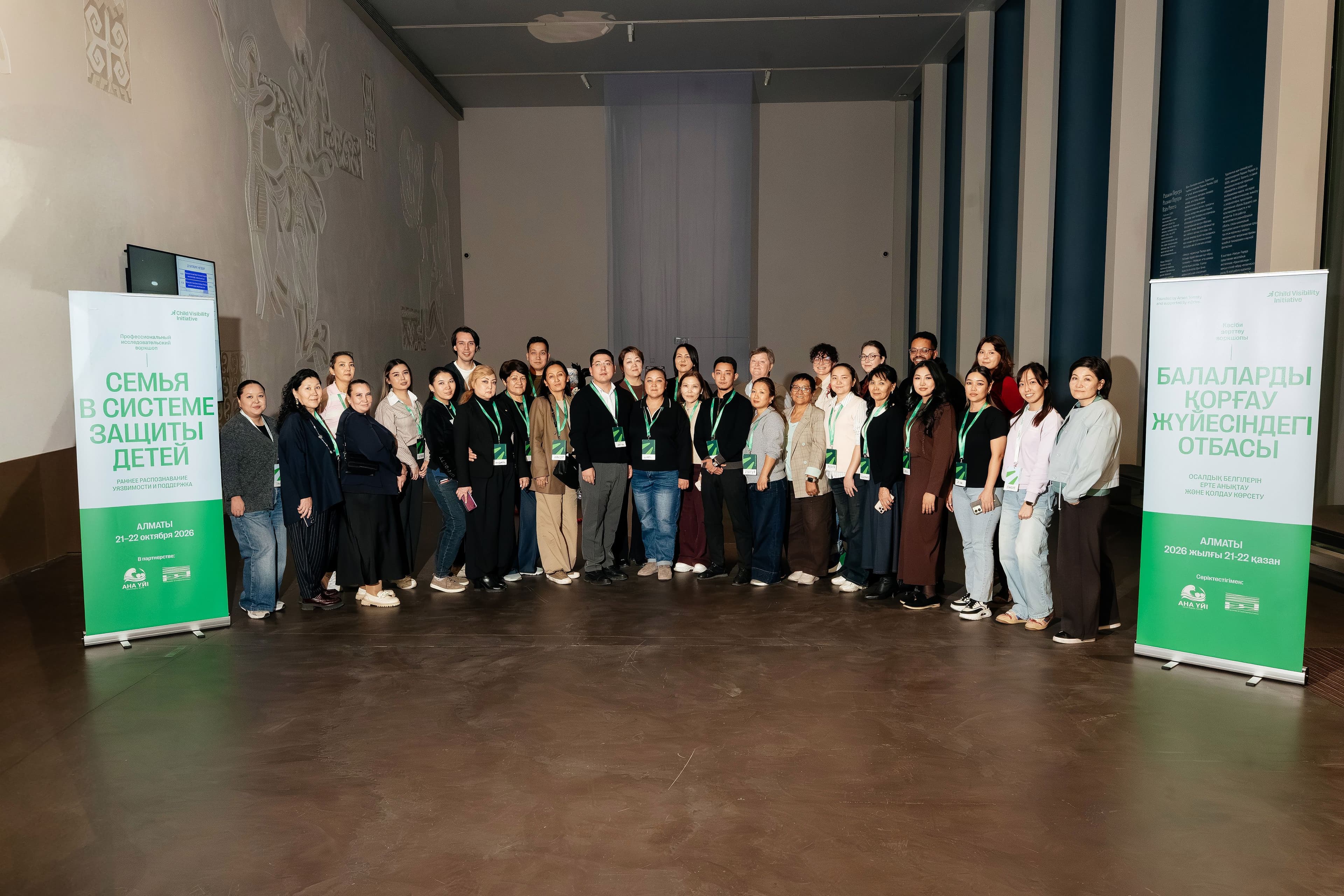
Our strategic and research partner in Kazakhstan is the Ana Uyi (Mother’s Home) public foundation. The workshop took place at the Tselinny Center of Contemporary Culture, which hosted the two-day meeting.
Elena Tropinova, PhD, our Head of Education, developed the research design for the workshop. It combined practitioners’ experience with a structured analysis of how families move through support services, the systemic barriers they meet and the points where early signs of risk go unrecognised.
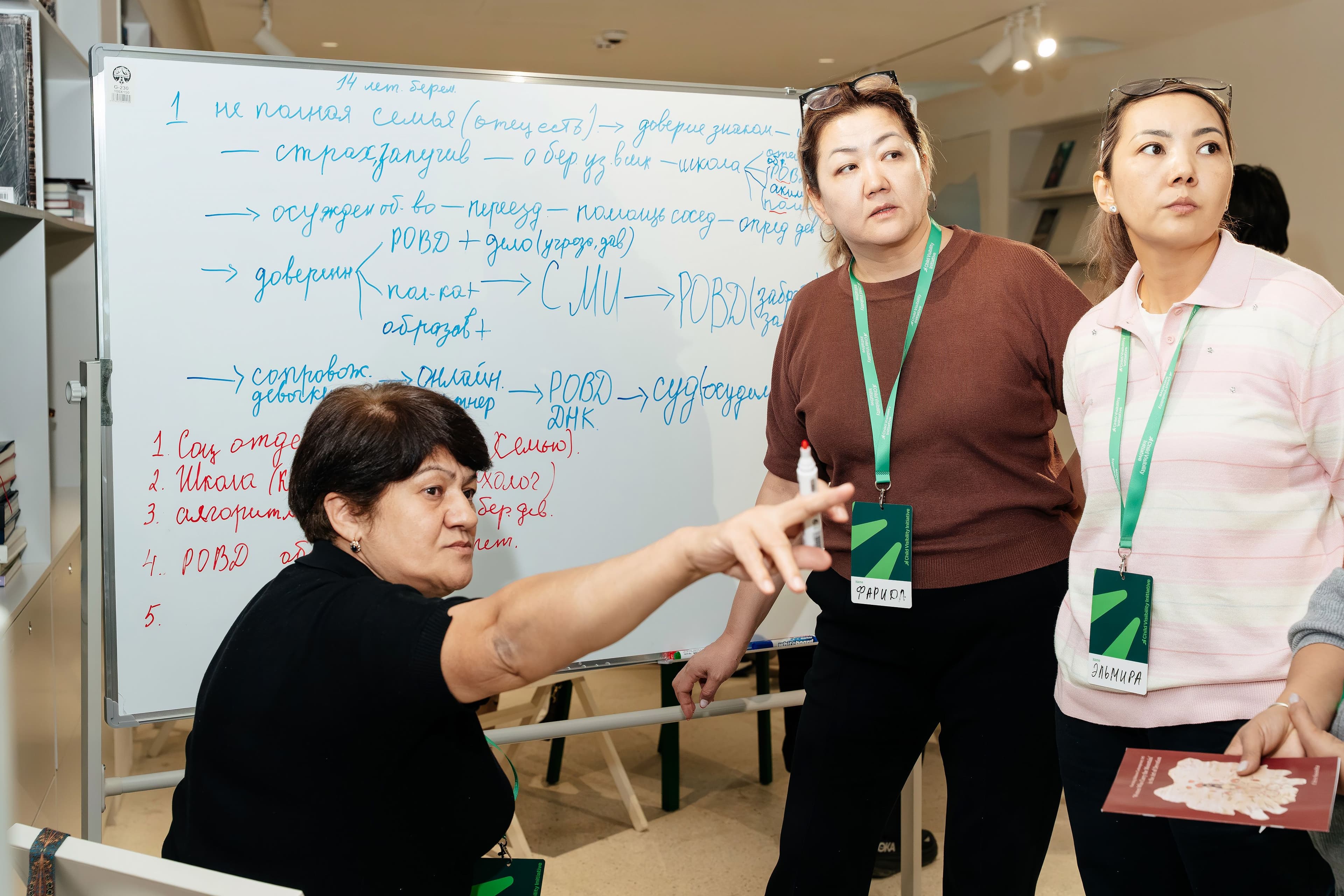
Participants compared real cases from past years with situations families face today, from a mother giving up her newborn to a teenager being removed from the family. The comparison showed that the support system is developing: new mechanisms now allow different services to work together around a family.
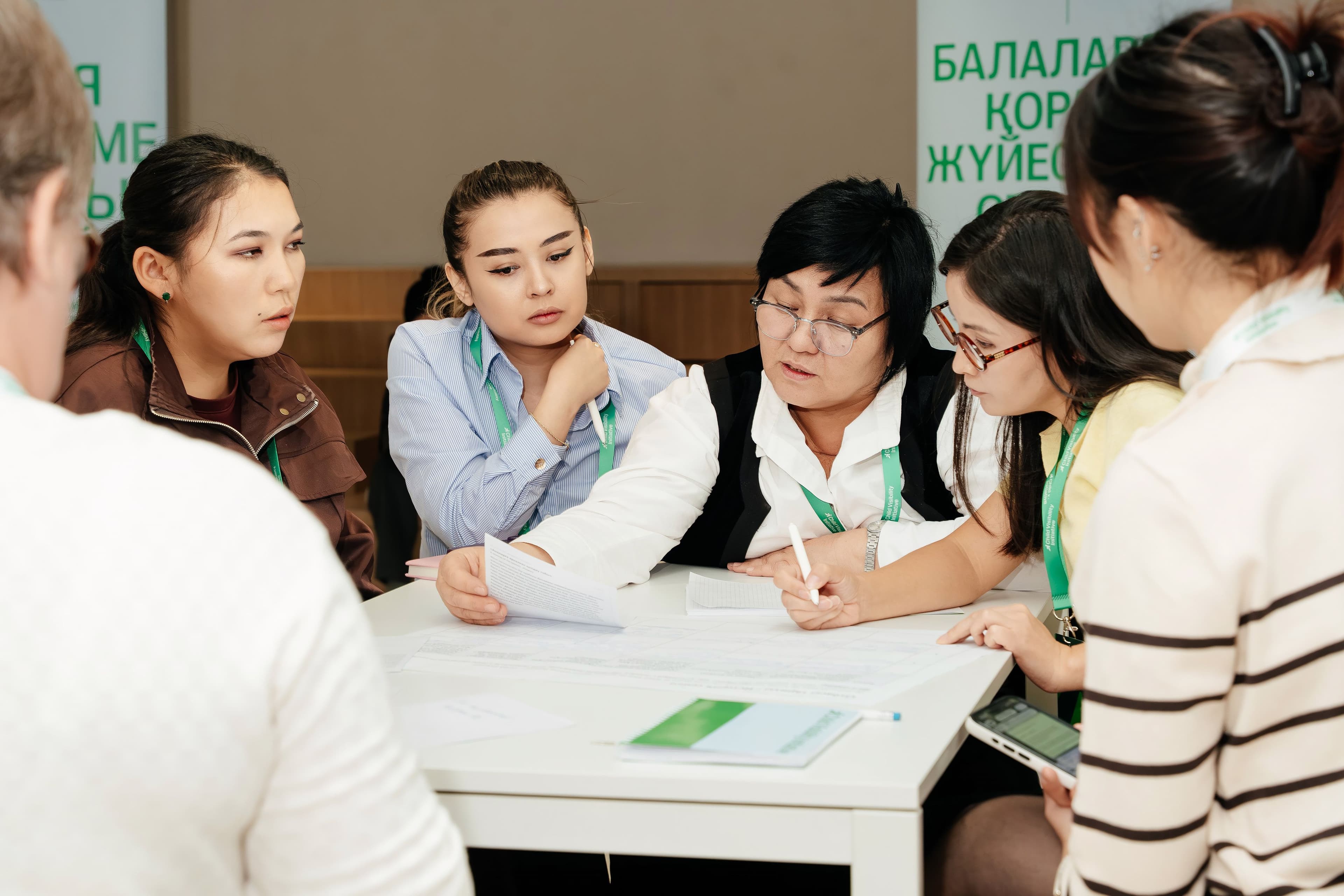
Recognising risk early, however, remains difficult. In some cases, signs of difficulty appeared during pregnancy. In others, children stopped attending school and dropped out of sight of the services.
“Today we have more tools to work with a family as a whole, rather than only reacting once a crisis has already happened. But timing matters: the sooner we learn about difficulties, the more chances we have to bring different services together and keep the situation from becoming critical. We need to be able not only to act in a difficult situation, but to prevent it,” — Akmolzhan Zaripov, Director of the Almaty Family Support Centre.
Participants also examined four functions of the system (care, registration, oversight and information) at different stages of a child’s life. They looked closely at situations in which a family is already known to services: registered, seen at a polyclinic, with a child attending school or kindergarten, and yet not receiving the help it needs. Contact with services, they noted, is not the same as support.
“Giving up a child is almost never about one reason. Behind it there is a whole tangle of circumstances: no close people nearby to offer support, not enough money, fear, not knowing where to turn. Very often, one timely conversation and practical help change everything. That is why it is so important for specialists from different organisations to notice a family’s difficulties and act together, before the situation becomes critical,” — Aminat Dzhappueva, Coordinator of Mother’s Home in Almaty.
The workshop’s findings will feed into our research in Kazakhstan, along with interviews with specialists. In the first half of 2027, we plan to present a country report on the system’s strengths, the barriers to recognising risk early, and ways to improve cooperation between agencies.